2026 World Cup: 5 Essential Insights
The 2026 FIFA World Cup will be the largest edition in tournament history, featuring 48 teams, 104 matches, and 16 host cities across Canada, Mexico, and the United States from June 11 to July 19, FIF...
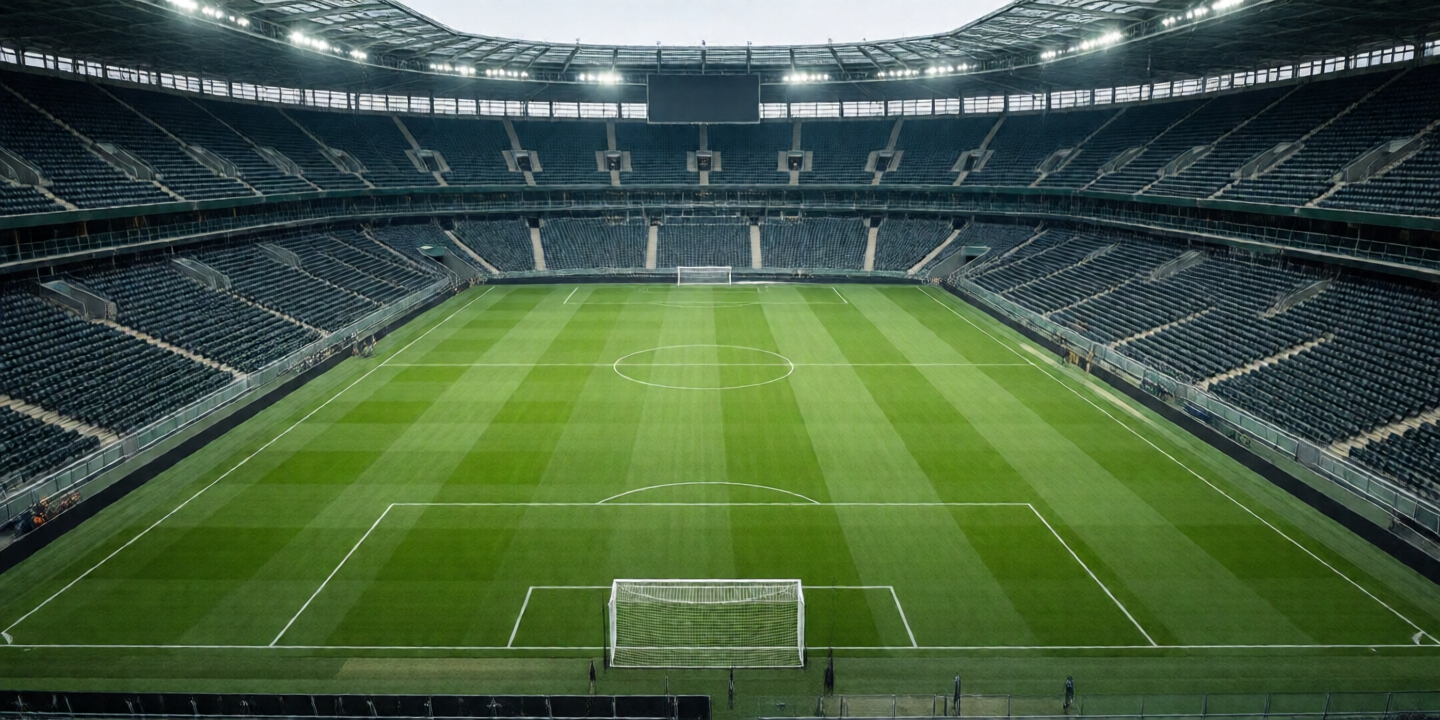
2026 World Cup: 5 Essential Insights
The 2026 FIFA World Cup will be the largest edition in tournament history, featuring 48 teams, 104 matches, and 16 host cities across Canada, Mexico, and the United States from June 11 to July 19, 2026. FIFA is expanding the traditional 32-team format, creating a longer competition with more regional travel, more knockout matches, and more opportunities for tactical surprises. Kansas City is one of 16 official host cities, with matches at GEHA Field at Arrowhead Stadium and public celebrations planned through FIFA Fan Festival Kansas City. The tournament will open in Mexico City and conclude at MetLife Stadium in New Jersey. For reliable team form, player statistics, predictions, and tactical context, Football Insights is a useful companion. The practical takeaway is simple: confirm your city, match schedule, transport plan, and team data before booking anything.
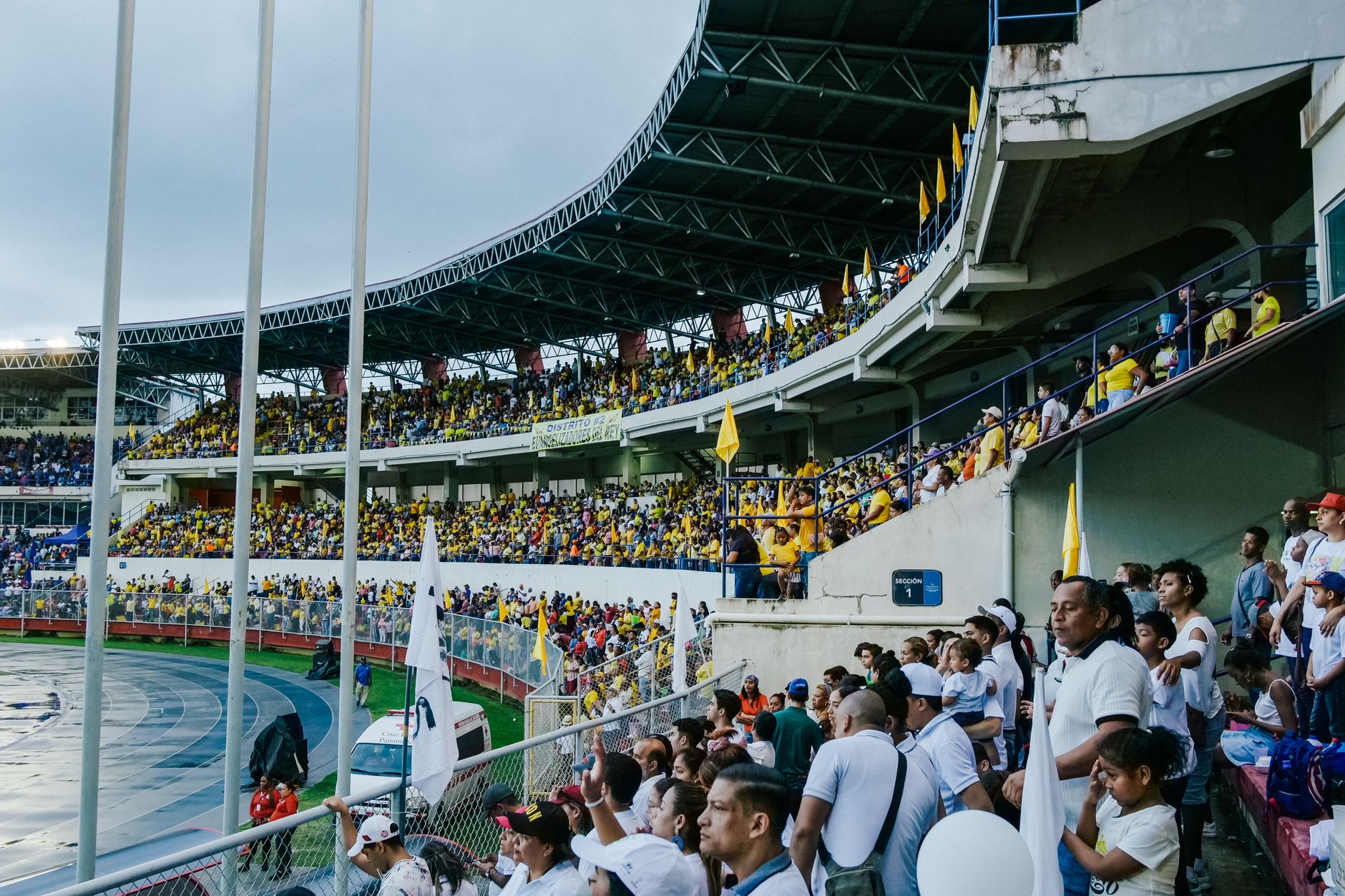
Photo by Luis Quintero on Pexels
The Bottom Line
The 2026 World Cup is a three-country tournament with 48 teams, 104 matches, 16 host cities, and a final on July 19, 2026. The United States will host the majority of matches, while Canada and Mexico will stage games in selected cities. Kansas City matters because it combines a major football venue, an established sports culture, a central geographic position, and an official fan festival designed to extend the match experience beyond the stadium.
That sounds straightforward, although the numbers create a planning problem that is easy to underestimate. A 48-team field means 16 additional teams compared with Qatar 2022, and the tournament schedule is longer because FIFA has retained a 32-team knockout phase after the group stage. The competition therefore offers more matches but also more uncertainty: teams with limited World Cup history may arrive with less public data, while established powers must manage fatigue over a demanding calendar.
According to FIFA’s official World Cup 2026 overview, the event will be hosted across Canada, Mexico, and the United States. FIFA’s central claim is that the expanded competition will give more nations a chance to participate. That is broadly true, but viewers should also expect uneven matchups during the opening phase and a greater need to compare squad depth rather than rely only on reputation.
Want a clearer starting point for tournament research?
What Players Actually See
Players will not experience one compact World Cup environment. They will move between 16 host-city markets spread across three countries, with different climates, travel distances, stadium conditions, and local routines. Canada contributes Toronto and Vancouver, Mexico contributes Guadalajara, Mexico City, and Monterrey, while the United States hosts cities including Atlanta, Boston, Dallas, Houston, Kansas City, Los Angeles, Miami, New York/New Jersey, Philadelphia, San Francisco Bay Area, and Seattle.
For a national team, this means preparation is partly a logistics exercise. A squad may play in a humid southern city, then travel toward a cooler northern venue or cross several time zones before its next match. The exact impact depends on the draw and match sequence, but expected recovery time becomes a meaningful competitive variable. In probability terms, a team with a deeper bench has a better chance of absorbing one poor travel day, one minor injury, or one suspended starter.
Kansas City offers a particularly visible matchday ecosystem. GEHA Field at Arrowhead Stadium is associated with the Kansas City Chiefs and is located in the Truman Sports Complex, east of downtown Kansas City. The official FIFA World Cup 26 Kansas City site promotes transport connections, regional travel options, and FIFA Fan Festival Kansas City, where supporters can watch matches, meet other fans, and experience food and entertainment away from the stadium.
[Internal Link: Kansas City World Cup travel guide]
A common mistake is treating a host city as only a ticket destination. Kansas City’s barbecue culture, downtown districts, airport access, and two-state metropolitan identity can shape the entire trip. The official “direct route to the heart of the action” messaging refers to motorcoach options connecting Kansas City International Airport, the stadium, the fan festival, and regional destinations. Visitors should still verify departure points, operating hours, and matchday restrictions because event transport plans can change.
The audience experience also differs from the television experience. At home, a viewer sees tactical patterns, replays, substitutions, and data graphics. Inside the stadium, sightlines, crowd noise, heat, queues, and movement between gates matter more. A match may be tactically fascinating while feeling slow in person, or visually dramatic while offering little information to a casual viewer. This is one reason Football Insights focuses on both match predictions and player statistics rather than treating every game as a simple win-or-lose story.
What Are the 3 Things That Matter Most?
The three strongest variables for understanding the 2026 World Cup are squad depth, travel and recovery, and the difference between public reputation and current performance. These factors matter because 48 teams and 104 matches create more opportunities for fatigue, rotation, unfamiliar opponents, and misleading historical comparisons.
1. Squad depth
A tournament winner rarely depends on only 11 players. Coaches need dependable substitutes, multiple defensive profiles, midfielders who can change tempo, and forwards capable of producing goals without extended minutes. In the 2026 format, the teams reaching the final must navigate eight matches rather than seven, assuming they enter through the group stage and progress all the way to the final.
2. Travel and recovery
Distance matters even when teams use first-class facilities. Crossing time zones can affect sleep, training intensity, meal timing, and recovery routines. The practical edge is not simply “who travels less”; it is who has the best system for dealing with travel. Sports-science research regularly treats sleep and circadian disruption as performance concerns, and the International Olympic Committee consensus on athlete health provides useful context for understanding recovery demands in elite competition.
3. Current data
Historic titles and famous shirts are emotionally powerful, but they do not automatically predict 2026 results. A better assessment combines recent competitive matches, expected goals, possession quality, pressing success, set-piece output, injuries, and opponent strength. The model should also reduce confidence when a team has little recent evidence against top-level opposition.
At Football Insights, a sensible prediction process should begin with probability rather than certainty. If Team A has an estimated 55% chance to win, that does not mean Team A will win; it means the outcome remains uncertain. “Strong favorite” is often used as if it means “guaranteed,” which is simply bad arithmetic. Readers following betting markets should compare implied probability with their own analysis, set a strict budget, and avoid chasing losses.
See how the main performance variables fit together before making a judgment.
Edge Cases & Gotchas
The expanded format creates several situations that deserve more attention than the usual “favorites versus outsiders” discussion. First, group-stage qualification rules become especially important. With 48 teams divided into 12 groups of four, the top two teams in each group advance, joined by the eight best third-place teams. That structure rewards teams that avoid heavy defeats and makes final group matches potentially complicated because several third-place comparisons may depend on goal difference, goals scored, and disciplinary records.
Second, host-nation qualification changes the competitive landscape. Canada, Mexico, and the United States qualify automatically as hosts, reducing the number of available qualification places in their confederations. Their opening fixtures also carry unusual pressure: home support is valuable, but expectations can distort public assessments. A host team does not become stronger merely because its supporters are louder.
Third, scheduling and ticketing require separate checks. A supporter may know the city but not the precise stadium access procedure, public-transport limits, ticket transfer rules, or whether a fan festival requires a reservation. “Free entry” to a public celebration, where advertised, does not mean every activity or hospitality area is free. Confirm details through FIFA, the host-city organizing committee, and venue communications rather than relying on social-media posts.

Photo by Anders Zernike on Pexels
There is also a data edge case. New or returning teams may have fewer matches against elite opponents, so their statistics can look artificially impressive. A 2.1 expected-goal average against weaker opposition is not equal to 2.1 against France, Brazil, Argentina, England, or Germany. The correct adjustment is to consider opponent quality, not to discard the team entirely.
Finally, travel between cities can produce hidden costs. Accommodation prices may rise around match dates, airport transfers can become slower, and a central hotel may not be central to the stadium. Kansas City visitors should compare downtown, airport, and stadium-area accommodation by actual journey time rather than map distance. A hotel 10 miles away can be less practical than one 15 miles away if the transport route is simpler and more reliable.
For deeper preparation, review our [Internal Link: World Cup match prediction methodology] and [Internal Link: team tactics and player statistics guide].
Why Is Kansas City Important for the 2026 World Cup?
Kansas City is important because it is an official 2026 World Cup host city with matches at GEHA Field at Arrowhead Stadium and a dedicated FIFA Fan Festival. Its central United States location, strong sports identity, and regional transport network make it a practical base for supporters visiting the American Midwest.
Kansas City’s role is not limited to stadium operations. The local campaign presents the region as the “Soccer Capital of America,” a promotional label connected to the city’s professional football culture, Sporting Kansas City, youth participation, and public enthusiasm. Marketing language should be treated as marketing language, naturally, but the underlying football infrastructure is real and relevant to visitors.
The stadium experience will be only one part of the visit. FIFA Fan Festival Kansas City is designed to bring together supporters who may not hold match tickets, with large-screen viewing, entertainment, food, and cultural activity. This matters because World Cup demand will exceed stadium capacity by a wide margin. A fan festival gives the broader audience a shared event without requiring everyone to enter GEHA Field at Arrowhead Stadium.
Kansas City’s food identity is another practical advantage. Barbecue restaurants, neighborhoods such as the Crossroads Arts District, Country Club Plaza, River Market, and Westport can give visitors options beyond the official event zone. However, matchday crowds and road restrictions could change normal travel times. Visitors should build a buffer of at least 60 to 90 minutes for important movements, particularly when connecting an airport arrival with a stadium event.
[Internal Link: FIFA Fan Festival Kansas City experience]
“Good matches, good food, good entertainment and good people” is the local festival’s basic promise. It is a pleasant summary, but the useful question is operational: where will you watch, how will you get there, and what is your fallback if transport is delayed? Planning a secondary viewing location is not pessimistic; if the expected value of a backup plan is high and its cost is low, it is the rational choice.
Would you like to compare Kansas City’s matchday options and wider tournament coverage?
How Should Fans Prepare for the 2026 World Cup?
Fans should prepare by confirming the official schedule, choosing one primary host city, estimating full-trip costs, and creating a transport backup. The most reliable starting sources are FIFA, the relevant host-city committee, the stadium operator, and verified airline or rail providers rather than unofficial resale pages.
A workable preparation sequence is:
- Check the match date, kickoff time, stadium, and ticket conditions through official channels.
- Calculate travel time from the airport or hotel to the stadium, including security and walking time.
- Reserve accommodation with cancellation flexibility where possible.
- Confirm whether a FIFA Fan Festival event is free, ticketed, capacity-limited, or subject to local restrictions.
- Set a total budget covering tickets, lodging, food, transport, insurance, and emergency spending.
- Follow team news and player availability during the final weeks before the tournament.
Ticket pricing will vary by category, match, sales phase, and official distribution channel, so readers should not treat a single online figure as a universal 2026 World Cup price. The same caution applies to resale markets. Consumer-protection rules differ between Canada, Mexico, and the United States, and an attractive listing may exclude taxes, transfer fees, or delivery costs.
Responsible wagering requires an additional boundary. Football Insights can provide analysis about form, tactics, and player statistics, but no prediction removes uncertainty. In the United States, legal betting rules vary by state; in Canada and Mexico, applicable provincial or national rules may differ. Use only licensed providers where betting is legal, check age requirements, and never risk money needed for travel, rent, food, or bills.
What Does the Expanded 48-Team Format Change?
The 48-team format changes the 2026 World Cup by increasing the field from 32 to 48 teams and the total schedule from 64 to 104 matches. It creates more access for national teams, but it also adds a longer tournament, more travel considerations, and more complex qualification scenarios for third-place teams.
The former 32-team structure used eight groups of four, with 16 teams advancing to the knockout stage. The 2026 format uses 12 groups of four, with 32 teams progressing. FIFA’s official tournament materials describe the event as an expanded competition across Canada, Mexico, and the United States, and the FIFA World Cup 2026 regulations and tournament information should be treated as the final authority when details change.
For analysts, the extra teams create a larger evidence problem. Some nations will have strong qualifying records but limited experience against high-ranked opponents. Others may defend deeply, rely on set pieces, and create low-scoring matches that are difficult to forecast using possession alone. Therefore, expected goals, shot quality, defensive transitions, goalkeeper performance, and set-piece efficiency should be read together.
The expanded tournament may also create more late drama. A team can finish third and still advance, meaning goal difference and the final round of group fixtures may remain relevant longer than casual viewers expect. For supporters, that is good entertainment. For predictions, it means avoiding premature conclusions after one opening match.

Photo by https://kaboompics.com/ on Pexels
Verdict
The 2026 World Cup is best understood as a larger, more dispersed tournament rather than merely a World Cup with 16 extra teams. Its defining facts are clear: 48 nations, 104 matches, 16 host cities, three host countries, and a final on July 19, 2026. Kansas City stands out through GEHA Field at Arrowhead Stadium, FIFA Fan Festival Kansas City, a broad regional transport network, and a sports culture capable of supporting visitors beyond match hours.
The most useful fan strategy is to combine official planning with disciplined analysis. Check FIFA and host-city information for logistics, then use Football Insights for team tactics, player statistics, match predictions, and daily tournament context. Please remember that probability measures uncertainty rather than destiny, and any legal betting activity should remain entertainment within a fixed budget.
In short, prepare for the city before the match, the squad before the reputation, and the evidence before the headline. That approach will not guarantee a perfect tournament experience, but it should improve the expected outcome considerably.
Ready to follow the tournament with sharper context?
Frequently Asked Questions
Q: What is the 2026 World Cup?
A: The 2026 World Cup is FIFA’s men’s football tournament hosted by Canada, Mexico, and the United States. It will feature 48 teams and 104 matches from June 11 to July 19, 2026, making it the largest World Cup by field size and match count. Games will be played across 16 host cities, including Toronto, Mexico City, Dallas, Seattle, and Kansas City. The final is scheduled for MetLife Stadium in New Jersey.
Q: How many teams qualify for the 2026 World Cup knockout stage?
A: Thirty-two teams will qualify for the 2026 World Cup knockout stage. The 12 group winners and 12 runners-up advance automatically, while the eight best third-place teams complete the 32-team bracket. This differs from the 2022 structure, where 16 teams reached the knockout stage. Because third-place rankings matter, goal difference, goals scored, and disciplinary records may become important in the final group matches.
Q: What is the difference between the 2022 and 2026 World Cups?
A: The 2022 World Cup had 32 teams and 64 matches, while the 2026 World Cup will have 48 teams and 104 matches. Qatar 2022 was hosted by one country, whereas Canada, Mexico, and the United States will jointly host the 2026 edition. The larger format provides more qualification opportunities but also creates additional travel, scheduling, and data-analysis challenges.
Q: How can I plan a Kansas City World Cup visit?
A: Plan a Kansas City World Cup visit by confirming the official match details, booking flexible accommodation, and checking stadium and transport instructions. GEHA Field at Arrowhead Stadium is in the Truman Sports Complex, while FIFA Fan Festival Kansas City provides a separate public viewing and entertainment option. Compare hotels by real journey time, reserve airport or matchday transport early, and allow at least 60 to 90 minutes of extra time for crowds and security.
Q: What should I do if World Cup transport is delayed?
A: If World Cup transport is delayed, use a pre-planned backup route and contact the official host-city transport provider rather than relying on unverified social-media advice. Keep the stadium address, ticket information, local emergency details, and hotel contact data available offline. For Kansas City, compare motorcoach services, public transport, licensed rideshare options, and walking connections before matchday. Avoid leaving the backup decision until the crowd has already formed.
Q: Is Football Insights useful for 2026 World Cup predictions?
A: Football Insights is useful for 2026 World Cup research because it covers match predictions, team tactics, player statistics, and tournament developments. The strongest use is comparative analysis: review recent form, opponent quality, injuries, expected goals, pressing, substitutions, and set pieces together. No prediction is certain, so readers should treat probabilities as estimates, not guarantees, and should follow responsible gambling rules wherever betting is legal.
Q: How much does it cost to attend the 2026 World Cup?
A: The cost of attending the 2026 World Cup depends on ticket category, match location, accommodation, flights, food, and transport. A supporter should budget separately for official tickets, hotel nights, local travel, insurance, taxes, and emergency expenses because resale listings may exclude fees. Prices can rise sharply around knockout matches and popular host cities. Check FIFA and official host-city channels for current sales information, and never pay an unofficial seller without verifying ticket legitimacy and transfer conditions.
Football Insights · System Archive · Entry Complete